How it connects
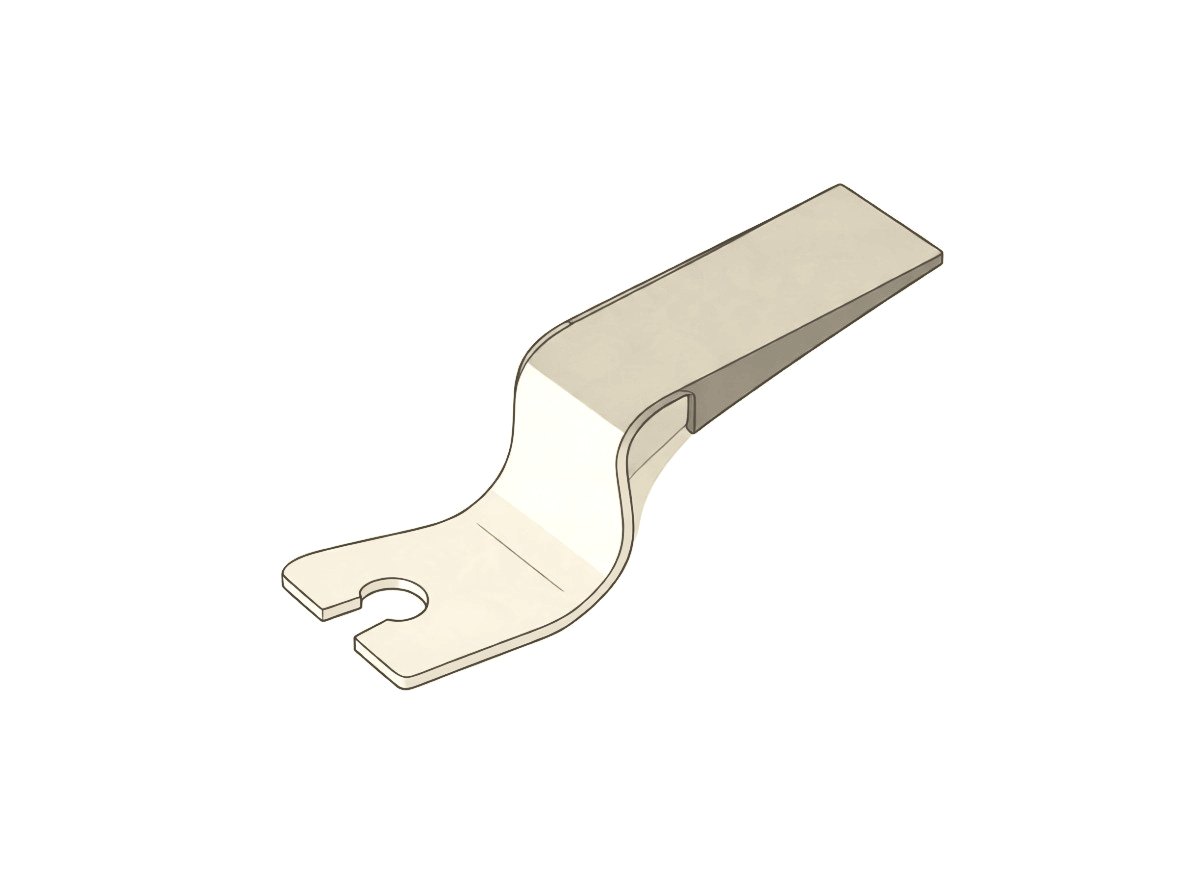
The larger circular opening passes over the nail head; sliding the tool wedges the nail shank into the narrow tapered slot so the beveled edges seat under the head, allowing extraction via prying leverage.
Male and female halves
Female slot mating over the male nail shank and under the nail head.
Usually connects to
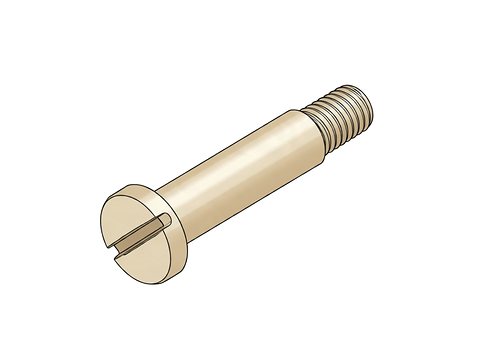
- Common nail head and shank
- Finish nail head
- Brad nail
Common sizes
- Typically 25 mm to 35 mm long with an 8 mm to 12 mm wide entry hole tapering to a 2 mm to 4 mm slot, accommodating 4d to 16d common and framing nails.
Where it is used
demolitioncarpentryroofingwoodworkingconstruction
Variations
- Center-body teardrop nail slot
- Beveled edge nail slot
- Offset rocker nail slot
How to recognise it
Recognizable as an internal teardrop- or keyhole-shaped cutout in the flat steel body of a pry bar or utility bar, featuring a circular entry opening that tapers into an elongated narrow channel with chamfered or beveled underside edges.
Often confused with
| Confused with | How to tell them apart |
|---|---|
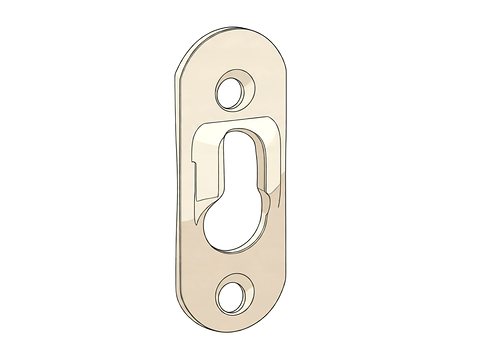
| Wall-mounting keyhole slot | Wall-mounting slots are designed to hang objects on screw heads and lack the heavy gauge steel, beveled wedging edges, and prying leverage geometry of nail puller slots. |
| V-notch claw nail puller | V-notch claw pullers are open-ended notches located at the chisel tip of a pry bar, whereas keyhole slots are enclosed through-holes located within the body of the bar. |
Also called
Teardrop nail puller slotBeveled nail slotPry bar nail slotKeyhole nail puller
Good to know
Commonly integrated into flat pry bars (wonder bars) to provide secondary leverage points for pulling nails flush with or slightly raised from wood surfaces.
Related connections
Design with real parts
Crafti checks which parts connect, right in your browser.